
- Valve Body: The main structure of the valve, which houses the internal components such as the gate, ball, or plug, depending on the type of valve.
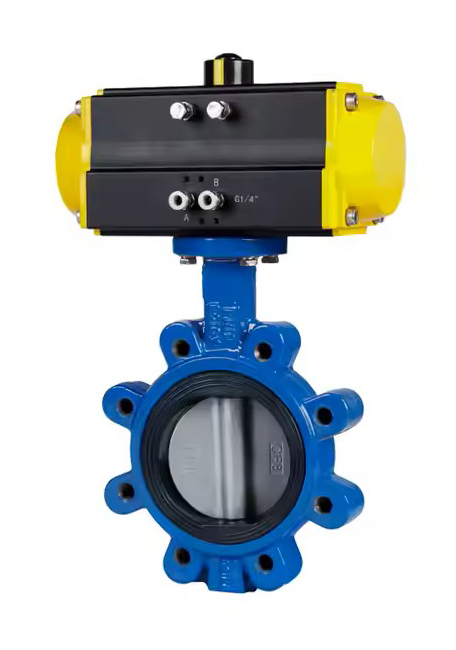
- Actuator: The mechanism that controls the valve’s operation. Actuators can be powered by electric, pneumatic, hydraulic, or manual means. The actuator operates the valve’s moving parts, such as the stem or shaft, to open or close the valve.
- Positioner: A device that ensures the actuator moves the valve to the correct position based on control signals. It helps in achieving precise control over the valve’s position.
- Control System: The system that sends signals to the actuator to control the valve. This can include a remote control panel, programmable logic controller (PLC), or other automation systems.
- Feedback Mechanism: Provides information about the valve’s current position or status to the control system, allowing for real-time monitoring and adjustment.
Actuated Valves



Gate Valve
An API standard gate valve is a type of valve commonly used in various industrial applications to control the flow of fluids through pipelines.
Gate valves are designed to provide a clear, unobstructed passage when fully open, allowing for minimal pressure drop across the valve. They are typically used for on/off control rather than flow regulation.
API Standards : API 600/602/603:
- Oil and Gas , Water and Wastewater, Chemical Processing, Power Generation, HVAC
- Electric Actuators, Pneumatic Actuators, Hydraulic Actuators, Manual Actuators